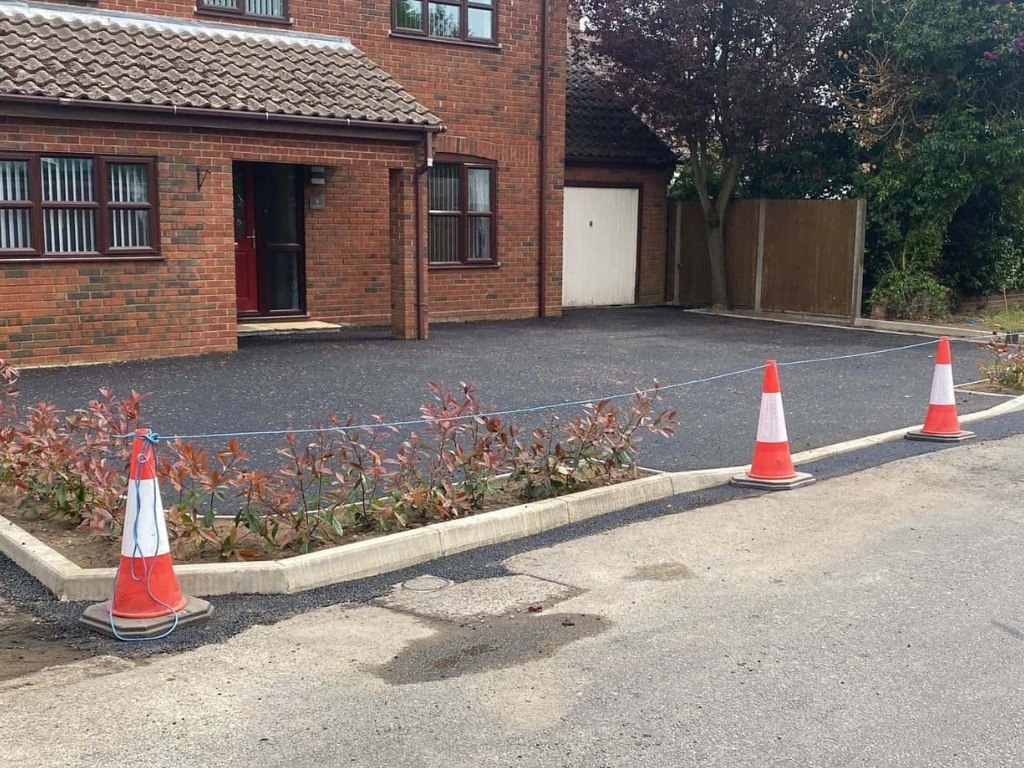
What Makes Tarmac Suitable for Frequently Used Paths Around a Property?
Paths around a property often receive far more use than their size might suggest. Routes between entrances, driveways, gardens, outbuildings and other frequently accessed areas can experience repeated foot traffic every day. For these spaces, the surface needs to be practical, dependable and capable of coping with regular use without becoming difficult to navigate.
For properties in Newport Pagnell, Buckinghamshire, tarmac can be particularly effective for frequently used paths. When installed over a properly prepared base with appropriate levels and edging, it creates a continuous, hard-wearing surface that works well for everyday access. Its suitability is not simply about the tarmac itself; careful preparation and installation are equally important to long-term performance.
Why Does Tarmac Work Well for Frequently Used Paths?
A regularly used path needs to provide consistent footing while remaining practical throughout changing weather conditions. Uneven paving, loose surfacing and deteriorated ground can make heavily trafficked routes increasingly awkward over time.
Tarmac creates a firm, continuous surface without individual paving joints across the main path. This gives frequently used areas a clean and straightforward finish while reducing many of the irregularities associated with loose or poorly maintained surfaces.
Its strength, versatility and relatively simple appearance also allow it to work effectively across different parts of a property.
A Continuous Surface Makes Everyday Movement Easier
One of the main advantages of tarmac for pathways is its continuous finish.
Paths constructed from individual units contain joints, while loose surfaces consist of separate particles that can move through regular use. Tarmac forms a unified surface across the path.
This can make everyday movement more comfortable, particularly on routes used repeatedly throughout the day. There are no loose stones to redistribute and fewer individual surface elements capable of moving independently.
The result is a clearly defined route that can remain practical under frequent pedestrian traffic.
Tarmac Is Well Suited to Repeated Foot Traffic
Frequently used garden paths experience concentrated wear.
People naturally follow the same route between commonly accessed areas, meaning the centre and entrance points of a path can receive considerable repeated traffic.
Tarmac is designed to create a durable surface capable of handling regular use. When the supporting construction has been correctly prepared, everyday foot traffic can be distributed through the surface and underlying layers effectively.
This makes it suitable for main access paths where reliability matters more than creating a lightly used decorative feature.
Good Ground Preparation Is Essential
The finished tarmac is only as dependable as the construction supporting it.
Before surfacing takes place, the ground needs to be prepared appropriately. Weak, unstable or unsuitable material may need to be addressed before a properly compacted sub-base is formed.
The sub-base provides support and helps distribute loading. If this stage is overlooked, movement beneath the tarmac can eventually become visible at surface level.
Professional installation therefore places considerable importance on what happens before the final surface is laid.
Proper Levels Help Paths Remain Practical in Wet Weather
Water management should form part of any well-planned pathway.
A surface that contains unsuitable low points can allow rainwater to collect, while incorrect falls can direct water towards areas where it is not wanted.
During installation, levels can be established to encourage water to move appropriately away from the path.
This contributes to usability because frequently accessed routes should remain straightforward to navigate after rainfall rather than developing persistent areas of standing water.
Tarmac Can Follow Different Path Shapes
Paths around a property are not always straight.
They may need to follow the side of a building, connect existing entrances, curve around planting or join a driveway at an angle. Tarmac can be formed to suit a variety of layouts, making it useful where the route needs to respond to the available space.
A professionally designed path can therefore follow the way people naturally move around the property rather than forcing an inconvenient route simply to suit the surface material.
This flexibility can be particularly useful in established gardens.
Clear Edging Helps Keep the Path Defined
The edges of a tarmac path are important to both appearance and performance.
Appropriate edge restraints help maintain a defined boundary between the tarmac and neighbouring surfaces such as lawns or planted areas. Without suitable support, vulnerable edges can be more susceptible to deterioration.
Well-planned edging also creates a cleaner visual transition between different parts of the garden.
For frequently used routes, maintaining clearly defined edges helps the path continue to feel like a purposeful part of the property rather than an informal strip of surfacing.
Tarmac Works Well Between Different Garden Areas
A path is often more than a surface underfoot. It connects different parts of the property and influences how easily they can be used together.
A tarmac path can provide a practical connection between:
- The driveway and an entrance
- Front and rear garden areas
- Main doors and garden spaces
- Outbuildings and the property
- Frequently used gates
- Utility or storage areas
Creating dependable links between these locations can improve how the entire outside space functions.
A Firm Surface Can Be Useful for Wheeled Garden Equipment
Frequently used paths may also need to accommodate more than pedestrians.
Wheelbarrows, bins, garden equipment and other wheeled items are often moved around a property. A firm, continuous path can make this considerably easier than moving over loose or irregular ground.
The absence of loose aggregate also means wheels are less likely to push surface material aside during repeated movement.
Where a path forms part of a practical working route around the garden, this can be an important consideration.
Tarmac Can Create a Clearer Route Through the Garden
Some gardens have poorly defined routes that have developed naturally through repeated use.
Grass can become worn, soil may become exposed and wet conditions can make these informal paths increasingly difficult to use.
Installing a properly constructed tarmac path can formalise the route. Instead of repeatedly walking over vulnerable garden surfaces, people have a clearly defined area intended for regular movement.
This can improve both the practicality and organisation of the surrounding outdoor space.
Appropriate Width Matters on Frequently Used Paths
Path design should consider how the route will actually be used.
A path that is unnecessarily narrow can feel restrictive, particularly where people regularly carry items or move garden equipment. Conversely, making a route wider than required can take up valuable garden space without improving its function.
Professional planning can establish a suitable width based on the position and purpose of the path.
Considering this before installation helps ensure that the finished surface works naturally with everyday movement around the property.
Transitions Between Surfaces Need Careful Attention
A pathway often connects with other surfaces, including patios, driveways and entrance areas.
These transitions should be considered carefully so that changes between surfaces feel deliberate and practical. Poorly planned joins can create awkward changes in level or visually untidy edges.
Tarmac can integrate effectively with other hard landscaping when levels and boundaries are established correctly.
This helps create an outdoor layout where different surfaces perform separate functions while still working together.
Tarmac Offers a Practical, Uncomplicated Appearance
Not every garden path needs to become a dominant design feature.
For many frequently used routes, homeowners want a surface that looks tidy and purposeful without drawing unnecessary attention away from planting, lawns or other landscaping.
Tarmac provides a relatively understated finish that can suit this role well.
Its consistent appearance helps define the route while allowing other elements of the garden to remain visually prominent.
Maintenance Starts With Good Installation
Durability should not be considered separately from installation quality.
A correctly prepared base, suitable compaction, appropriate surface thickness, secure edges and sensible drainage all contribute to how well a tarmac path performs over time.
Where one of these elements is inadequate, deterioration can occur even if the visible surface initially appears satisfactory.
At Newport Pagnell Driveways & Patios, the complete construction is considered rather than focusing solely on the final tarmac layer. This helps create paths intended to provide dependable everyday use.
Is Tarmac Suitable for Every Garden Path?
Tarmac can be an excellent choice for many practical paths, but surface selection should reflect how the area will be used and the type of finish required.
A main access route receiving frequent traffic has different requirements from a small decorative path through a lightly used part of a garden.
The surrounding surfaces, drainage, intended route and ground conditions should all be considered before choosing the most appropriate construction.
A professional assessment can help establish whether tarmac is suitable for the particular area.
Why Professional Installation Makes a Difference
A good tarmac path should do more than provide a black surface between two points.
The route needs to be excavated and prepared correctly, the supporting layers should be suitable, levels must manage water appropriately and edges need sufficient support. The final surface then needs to be laid and compacted consistently.
For properties in Newport Pagnell, these details can make the difference between a path that simply looks finished and one that performs effectively as a frequently used part of the property.
Conclusion
Tarmac is well suited to frequently used paths because it provides a firm, continuous and practical surface for everyday movement. It can accommodate regular foot traffic, wheeled garden equipment and routes of different shapes while creating clearly defined access between important areas of a property.
However, successful tarmac paths depend on more than the visible surface. Proper ground preparation, a stable sub-base, suitable drainage, well-supported edges and carefully planned levels are all important to long-term performance.
If you are considering a new or improved path at your property in Newport Pagnell, Buckinghamshire, Newport Pagnell Driveways & Patios can assess the area and advise on a suitable tarmac installation. A professionally constructed path can provide a dependable route that integrates naturally with the way your outdoor space is used.
Call us on: 01908 103 697
Click here to find out more about Newport Pagnell Driveways & Patios
Click here to complete our contact form and see how we can help with your Driveway needs.